
At the last session I facilitated at the hospital, I felt inspired to talk and discuss the value of “Acceptance.” We had a very good session and many of the people attending – people that are struggling to find a sense of and identity in this world, and definitely some personal peace in the chaos of everyday life – did not fear being vulnerable and sharing. Those are the best sessions. People open up and we all come out richer and better. After the session, however, I continued to ponder about the concept and value of Acceptance in today’s society, and why I felt so inspired to have a discussion about it. Many questions came to mind. Am I an accepting person? Can acceptance bring understanding? Does acceptance mean compromising my values and principles? Are acceptance and peace related? And many more. And as I know all too well, the journey of learning, once started, does not end. Even if I find answers to all these questions, many more will knock on the door of my soul and the journey will continue. But here’s where the path has taken me so far.

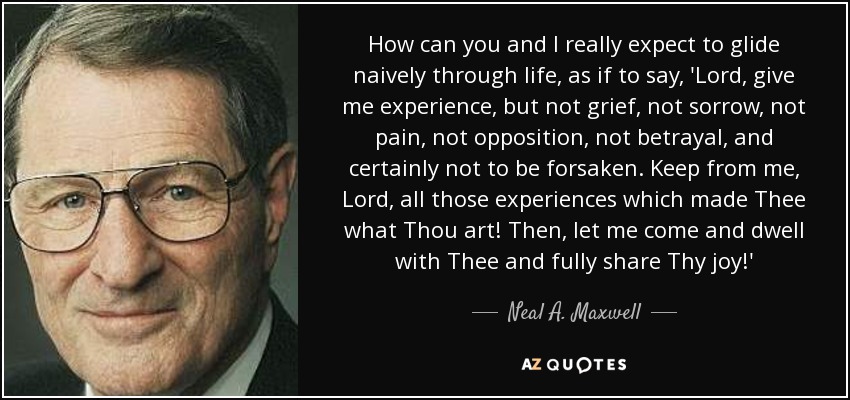
First of all, I believe that, In a world that constantly urges us to strive, improve, and push forward, the concept of acceptance can often be misunderstood or even undervalued. To some, it may seem like a passive surrender to circumstances, or an excuse for inaction. However, true acceptance is neither defeat nor stagnation—it is a powerful act of faith, humility, and inner peace. It’s a deliberate choice to see reality as it is, without resistance or denial, and to respond with wisdom, compassion, and hope. A few years ago I heard the story of a leader in my church who had been asked to give a blessing of healing to a young man who had been diagnosed with cancer only three weeks after his wedding. You can imagine the devastation of this couple and their desire to find healing physically, but also mentally, emotionally, and spiritually. After an interview that appeared to be very long in the mind of these young people, the leader felt the impression to ask the couple: “Do you have faith not to be healed?” This question may have seemed counterintuitive to these young people, but the Spirit was suggesting that faith may be easier in positive circumstances, but true faith endures challenges through acceptance. In the words of scholar and church leader Neal A. Maxwell, “As we confront our own … trials and tribulations, we too can plead with the Father, just as Jesus did, that we ‘might not … shrink’—meaning to retreat or to recoil. Not shrinking is much more important than surviving! Moreover, partaking of a bitter cup without becoming bitter is likewise part of the emulation of Jesus.”
How does it work? Acceptance begins with recognizing our own limitations and the imperfection of the world around us. Whether it is accepting our personal weaknesses, the choices of others, or the presence of adversity, we are invited to make peace with things beyond our control. This does not mean we stop striving for improvement, but rather that we stop fighting unwinnable battles against reality. In this space, acceptance becomes the soil in which patience, resilience, and healing can grow. From a psychological standpoint, acceptance reduces inner conflict and stress. It fosters emotional regulation and healthier relationships, helping us let go of bitterness, regret, and the exhausting burden of trying to change the unchangeable. It can be the first step toward personal transformation, because only when we accept where we are can we begin to move forward with clarity and intention.

In my church’s theology, acceptance is deeply intertwined with the principles of agency, faith, and the Atonement of Jesus Christ. Agency—the gift of moral choice—is foundational to God’s plan. As we accept that others are free to choose, and that even painful experiences can result from their choices or our own, we begin to align ourselves with divine perspective. Acceptance allows us to honour agency while trusting in the overarching wisdom of God’s plan.
Jesus Christ exemplified divine acceptance in Gethsemane when He declared, “Not my will, but thine, be done” (Luke 22:42). This was not passive resignation—it was active submission to the Father’s will, despite the cost. In our own lives, we are called to this same level of faithful acceptance, especially when facing trials or uncertainties. When we accept God’s timing, His ways, and His mercy, we find strength beyond our own.

The Book of Mormon offers profound examples of acceptance that lead to spiritual peace. One is found in the story of Alma and Amulek in prison. Despite their suffering, they did not resist or escape prematurely; instead, they trusted in the Lord’s timing. Their acceptance was not weakness—it was an expression of faith. Later, their deliverance came in a miraculous way that strengthened both them and those who heard their testimony. Acceptance also invites compassion—for ourselves and for others. We often carry shame or disappointment over who we are or what we have failed to become. But in the gospel, we are reminded that “men are that they might have joy” (2 Nephi 2:25), not that they might be perfect today. Acceptance allows us to embrace our humanity while holding onto divine potential. Through the Savior’s grace, we are not defined by our struggles but by our willingness to turn to Him.
On a societal level, acceptance builds community and unity. As children of God, we are counseled to “mourn with those that mourn” and “comfort those that stand in need of comfort” (Mosiah 18:9). This requires us to let go of judgment and embrace the diversity of God’s children. When we accept others with love and understanding, we create spaces where healing and growth can happen—not in spite of our differences, but through them.

Finally, I learned that acceptance is not complacency. In the gospel, we are called to be anxiously engaged in good causes (Doctrine and Covenants 58:27). Acceptance is about discerning what we must endure versus what we can change—and doing so with spiritual insight. It is not about giving up, but about knowing when to surrender control to God, trusting that He is in charge.
Ultimately, acceptance is a sacred form of peace. It anchors us in the present, steadies our hearts during storms, and opens our eyes to grace in all things. For Latter-day Saints like me, it is a reflection of our trust in Jesus Christ, a willingness to let God prevail, and a reminder that every part of our journey—including the parts we didn’t choose—can be consecrated for our good. In acceptance, we find not just solace, but sacred strength.
May you all be blessed with the gift of acceptance and bring peace into this world one person at a time.
adf









 Mindsoulness - where mind and soul meet!
Leave a reply to Kay Ruthnum Cancel reply