
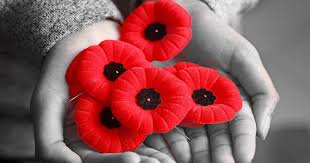
Each November, and precisely on November 11 each year, Canadians pause to remember the sacrifices of men and women who gave their lives in service to their country. Remembrance Day invites us to reflect not only on what they gave up but also on what we might give in return, and by this I mean our gratitude, our service, and our love. The red poppy symbolizes more than remembrance; it represents the selfless spirit of giving that defines the highest form of humanity. In remembering their sacrifice, we are called to give more freely of ourselves.
My grandfather, my father, and uncles all served in different wars. Grandpa Alberto fought in three wars, including the two World Wars. He experienced the horrific scarring of man against man and nation against nation. Even more, he witnessed the tragedy of Italians fighting against Italians, fellow countrymen against each other. On September 8, 1943, The Italian fascist government escaped to Northern Italy and created an independent republic, while the Kingdom of Italy retained control of Central and Southern Italy. At that time, my father was in the army serving in the north. He was there to serve his country, not the fascist government, so he escaped and walked all the way to his hometown, more than one thousand kilometres walk in dangerous conditions. Three times he was stopped by nazi troops, three times his life was miraculously spared. My dad’s brother had been sent to the Russian front. After the divide of September 8, called the “Armistice,” the Italian army in Russia was left leaderless and to their own fate. Because of ill advice and poor equipment, many lost their lives to the inclement weather. My uncle decided to return home but it took three years to do so. When he arrived home, he had suffered severe foot circulation issues that eventually caught up with him later in life. Another uncle from my mom’s side, survived the sinking of his ship in the harbour of Trieste and also decided to abandon the fascist regime in the north to return home. Another long and dangerous walk.
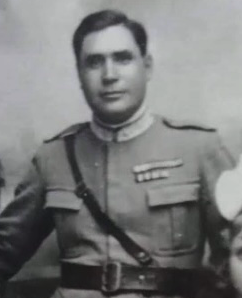
Notwithstanding and despite the tragedy of their experience, my father and uncles taught me to live a good life and to be good to others. They taught me the principle of giving paired with the principle of service as a way to show that there is good in this world and that evil can be fought. Through my conversion to the gospel of Jesus Christ, I eventually discovered that if I let God prevail in my life, I can find long-lasting joy and peace even in the face of fierce opposition.
Giving is a huge blessing. In the New Testament we are taught that giving is a sacred act that aligns us with the heart of God. “It is more blessed to give than to receive” (Acts 20:35) reminds us that generosity is not measured by material exchange but by the joy and spiritual growth it brings. Jesus Christ Himself, the ultimate Giver, offered His life so that we might live. His example teaches that true giving often involves personal sacrifice, compassion, and love without expectation of return. The Book of Mormon echoes this principle in the counsel of King Benjamin: “When ye are in the service of your fellow beings ye are only in the service of your God” (Mosiah 2:17). This profound truth reminds us that every act of service — whether a kind word, a meal shared, or a comforting presence — becomes an act of worship. Giving, then, is not just a duty but a way of life that brings us closer to the divine nature.
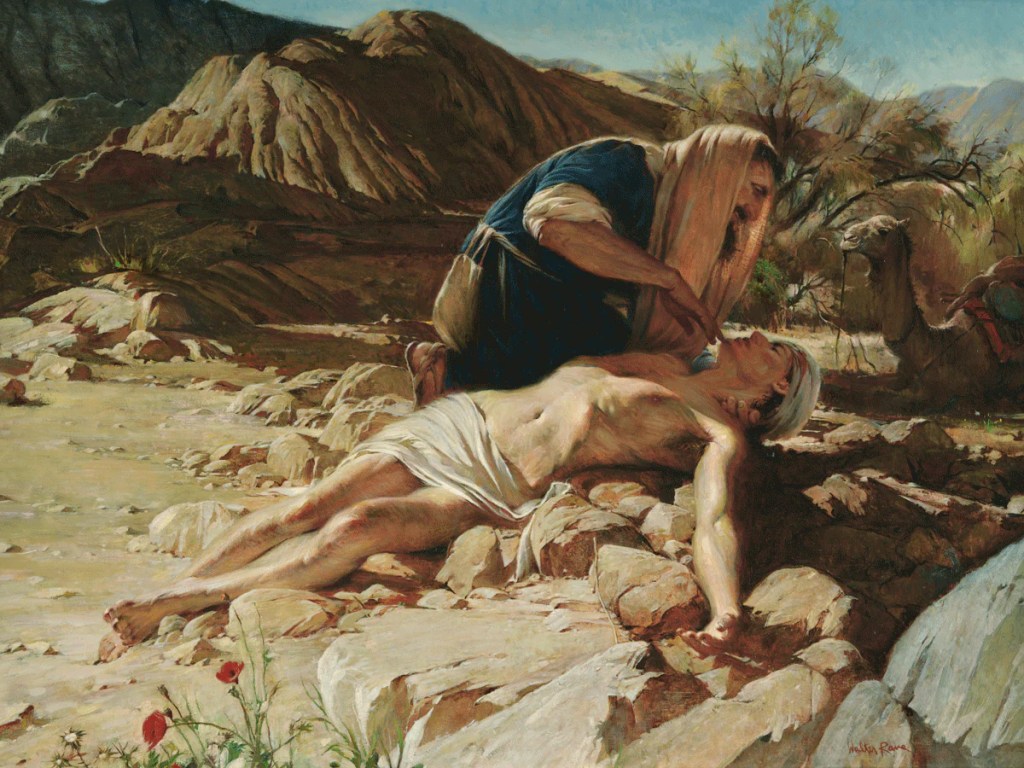
On Remembrance Day, we are inspired by those who gave “the last full measure of devotion.” Their courage reflects Christ’s own words: “Greater love hath no man than this, that a man lay down his life for his friends” (John 15:13). As we honour their sacrifice, we are invited to consider what kind of giving the Lord asks of us today — perhaps not our lives, but our time, compassion, and willingness to lift others’ burdens. By doing so, we will also learn that giving also helps heal the world. In 3 Nephi 13:3–4, the Savior teaches that our giving should be humble: “When thou doest alms, let not thy left hand know what thy right hand doeth.” Quiet, sincere giving reflects a heart purified from selfish motives. Such giving transforms both giver and receiver, drawing them nearer to God and to each other.
Other faith traditions also teach the sacredness of generosity. In Islam, the practice of Zakat — giving a portion of one’s wealth to those in need — is one of the Five Pillars of faith. It is not merely charity but a recognition that all we have belongs to God. Similarly, in Judaism, Tzedakah (righteous giving) is an obligation rooted in justice and compassion. In Buddhism, Dana represents the virtue of giving freely, a path toward releasing attachment and cultivating loving-kindness. These teachings reveal that giving is a universal spiritual language — one that transcends culture and creed.

For those who follow Christ, giving is not simply a commandment but an invitation to become like Him. The Apostle Paul urged the Corinthians to give “not grudgingly, or of necessity: for God loveth a cheerful giver” (2 Corinthians 9:7). Giving cheerfully reflects faith — that God will provide for our needs even as we meet the needs of others. It teaches trust, gratitude, and humility.
In times of conflict and uncertainty, the call to give becomes even more urgent. Just as the soldiers we honour on Remembrance Day gave their all for the sake of peace, we too are asked to give of ourselves in ways that heal divisions and restore hope. Whether through volunteering, forgiving, or simply listening, we participate in the work of peacebuilding — one act of giving at a time. The Book of Mormon prophet Moroni exhorts believers to “pray with all the energy of heart, that ye may be filled with this love” (Moroni 7:48). This divine love — the pure love of Christ, or charity — is the wellspring of all true giving. When our hearts are filled with this love, giving ceases to feel like loss. Instead, it becomes joy, connection, and a reflection of the eternal character of God. As we wear our poppies and bow our heads in remembrance, may we also open our hearts in gratitude and generosity. Let us give not only in moments of national reflection but in our everyday lives — to neighbours, strangers, and even those who cannot repay us. For in giving, we remember the greatest Giver of all, whose life and sacrifice bring eternal peace.
The spirit of giving unites all people of faith and goodwill. Whether through small daily kindnesses or great acts of sacrifice, we reflect the light of God — the same light that inspired those we remember on this solemn day. As we give, we not only honor their memory but continue their legacy of courage, compassion, and peace.
“Freely ye have received, freely give.” — Matthew 10:8
ADF








Leave a Reply